



Enhanced
Collagen
Production
Advanced Injury & DISC Center
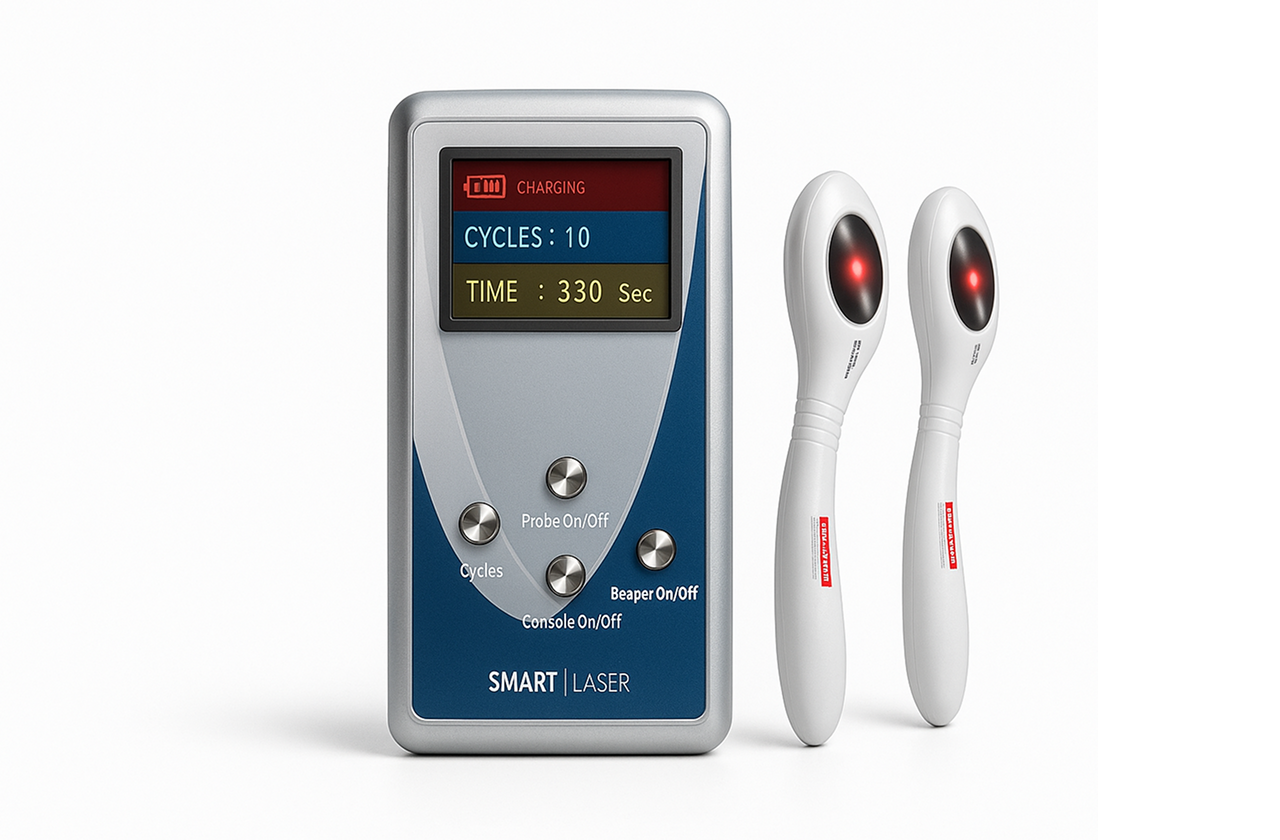
LLLT(ML-830)
Advanced Injury & DISC Center
Advanced Injury & DISC Center
What is Low-Level Laser Therapy (LLLT)?
Low-level laser Therapy (LLLT) is a cutting-edge technology that is gaining popularity for its ability to promote healing, reduce pain and inflammation, and restore function in the body. Unlike high-powered surgical lasers, LLLT—also known as cold laser therapy—operates at a low power output (below 1W), meaning it does not produce heat or cause tissue damage.
While "hot lasers" (power output above 1W) are commonly used in surgical procedures to cut tissue and cauterize blood vessels, low-level lasers are primarily used for laser acupuncture and therapeutic applications.
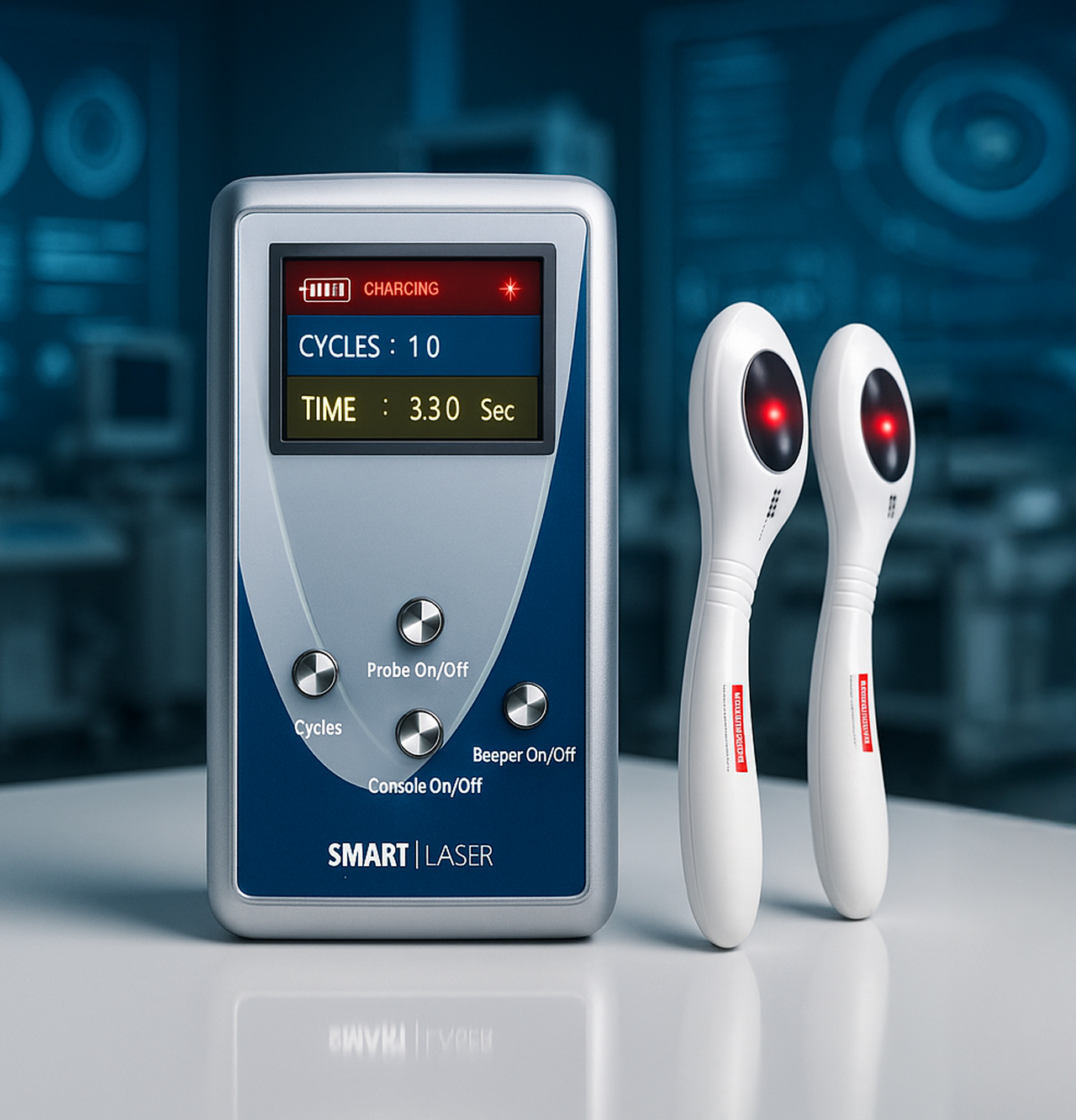
The Microlight Laser System, with a power output of 90mW, is a safe and effective tool for laser acupuncture therapy, offering a non-invasive, pain-free treatment option that does not burn or damage tissue.
LLLT is a powerful alternative therapy for those seeking a safe, drug-free solution to pain management and tissue healing.
Advanced Injury & DISC Center
Advanced Injury & DISC Center
Benefits of Low-Level Laser Therapy (LLLT)
Research has shown that Low-Level Laser Therapy (LLLT) not only
promotes healing, restores function, and reduces pain and
inflammation but also supports skin rejuvenation and tissue repair.
Some of the key benefits of LLLT include
promotes healing, restores function, and reduces pain and
inflammation but also supports skin rejuvenation and tissue repair.
Some of the key benefits of LLLT include
Treatment Effect of LLLT


Improved
Vasodilation
Vasodilation

Boosted
Cellular
Metabolism
Cellular
Metabolism

Optimized Cell
Membrane
Potential
Membrane
Potential

Enhanced
Microcirculation
Microcirculation

Strengthened
Lymphatic
Response
Lymphatic
Response

Accelerated
Nerve
Regeneration
Nerve
Regeneration

Shortened
Inflammatory
Duration
Inflammatory
Duration

Increased
Pain Threshold
Pain Threshold

Reduced
Edema
Magnitude
Edema
Magnitude

Faster Tissue &
Bone Repair
Bone Repair

Enhanced
Enzyme
Response
Enzyme
Response
Pain & Illness Relief with
Low-Level Laser Therapy (LLLT)
Low-Level Laser Therapy (LLLT)

Arthritis &
Joint Pain
Joint Pain

Bursitis

Fibromyalgia

Knee Pain

Muscle Pain &
Spasms
Spasms

Shoulder &
Rotator Cuff
Injuries
Rotator Cuff
Injuries

Tendonitis

TMJ Pain &
Dysfunction
Dysfunction

Whiplash

Carpal Tunnel
Syndrome
Syndrome

Heel Spurs &
Plantar Fasciitis
Plantar Fasciitis

Migraine
Headaches
Headaches

Nerve Pain &
Sciatica
Sciatica

Sprains &
Strains
Strains

Tennis Elbow

Trigeminal
Neuralgia
Neuralgia

Many other
symptoms
symptoms
Advanced Injury & DISC Center
Advanced Injury & DISC Center
How Low-Level Laser Therapy (LLLT) Works
LLLT is a powerful, non-invasive therapy that aids in pain relief, tissue repair, and faster healing from injuries and inflammation.
By stimulating the body's natural defense and repair mechanisms, LLLT helps minimize damage from
injuries, accelerates tissue regeneration, and strengthens healed tissue structures.
This makes it an excellent treatment for sports injuries, workout-related strains, and chronic conditions.
The Science Behind LLLT
LLLT works through photo-stimulation, where specific light wavelengths interact with light-sensitive biological cell receptors (chromophores). This process enhances cellular repair and healing, reducing inflammation and promoting tissue regeneration.
Patients experience
- Reduced Pain & Muscle Spasms - Soothes discomfort and relaxes tense muscles
- Decreased Inflammation - Accelerates healing and minimizes swelling
- Improved Circulation - Enhances blood flow through vasodilation (widening of blood vessels)
- Increased Range of Motion - Restores flexibility and mobility in affected areas
- Natural Endorphin Release - Stimulates the body's natural painkillers (endorphins, enkephalins, dynorphins)
Additionally, LLLT slows sensory nerve transmission, which can further decrease pain sensitivity. It has shown enhanced effectiveness when combined with acupuncture, offering a comprehensive, holistic approach to healing.
Advanced Injury & DISC Center
Ensuring Effective Low-Level Laser Therapy (LLLT) Treatment
The success of LLLT treatment depends on proper application, penetration depth, and energy levels. By delivering the optimal laser wavelength to the target tissue, soft tissue and connective tissue injuries can begin to heal effectively. To achieve therapeutically significant results, it is crucial to deliver sufficient photon energy at the appropriate wavelength and power output.

01
Understanding Laser Wavelengths
When laser light reaches bodily tissues, it disperses in a ball or egg shape, spreading energy throughout the target area.
The extent of penetration depends on wavelength:
✔ Short Wavelengths (632nm - Visible Red Light)
· Forms a smaller, ball-shaped distribution
· Easily absorbed by blood and skin at surface level
· Less effective for deeper tissue healing
✔ Long Wavelengths (830nm - Invisible Infrared Light)
· Forms a larger, egg-shaped distribution
· Penetrates deeper into tissues
· Proven to trigger biological responses that shorter wavelengths cannot

02
Why 830nm Laser Therapy is More Effective
Scientific studies show that 830nm laser therapy provides superior penetration and healing benefits, making it the preferred choice for deep tissue treatment.
For injuries or conditions deeper than 1cm beneath the skin surface, combining an 830nm wavelength with a 30mW power output ensures optimal photon delivery.
Devices with lower power outputs (5-10mW) or shorter wavelengths may fail to penetrate deeply enough to deliver meaningful therapeutic effects.
03
LLLT and Enhanced ATP Production
A study conducted by Japanese medical researcher Dr. Noriko Mochizuki explored the impact of laser therapy on ATP production. The findings revealed that tissue ATP levels increased significantly when exposed to 830nm wavelength laser light, whereas lower wavelengths, such as 643nm, did not produce the same effect.
Unlike thermal treatments, ATP production is not triggered by heat but rather by the interaction of laser light photons with cellular structures. This study, along with many others, confirms the unique ability of the 830nm wavelength to stimulate cellular activity, leading to faster metabolism and tissue repair.
By boosting ATP production—the primary energy source for cells—LLLT enhances cellular function, allowing biological processes to operate more efficiently and accelerating healing and recovery.
04
LLLT and Enhanced Endorphin Production
A study conducted by Dr. Laakso et al. at the Royal Brisbane Hospital in Australia demonstrated a significant increase in plasma endorphin levels following 830nm laser irradiation.
This research, which aligns with similar studies from Japan, confirmed that lower doses of laser irradiation failed to produce notable increases in endorphin levels.
Furthermore, the study established that a 30mW power output was far more effective in stimulating endorphin production than lower-powered 5-10mW devices.
These findings emphasize the importance of using the correct wavelength and power output for effective pain management and relief through Low-Level Laser Therapy (LLLT).
Advanced Injury & DISC Center
Advanced Injury & DISC Center
The MicroLight Advantage
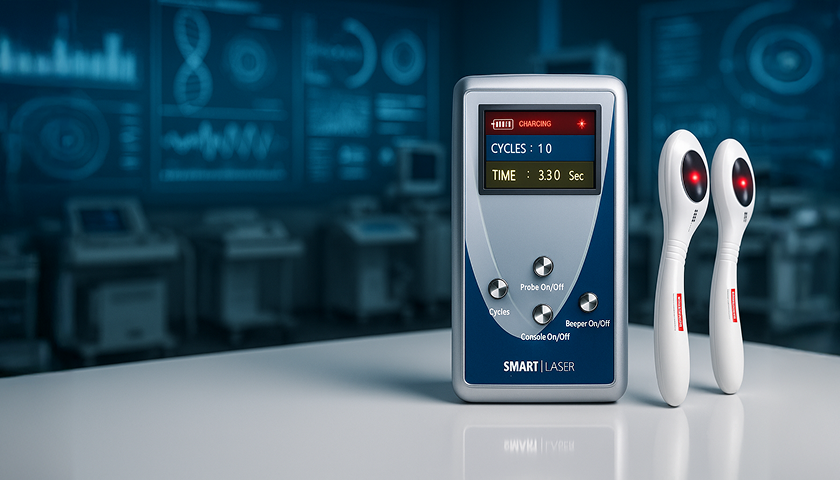
MicroLight is a pioneer in Low-Level Laser Therapy (LLLT) and proudly holds the first FDA clearance for cold laser therapy in the United States.
As one of the most affordable and effective cold lasers available,
the MicroLight LLLT device stands out as the first handheld laser that can be safely used without continuous supervision.
-
Designed for ease of use and exceptional safety
-
Its unique wavelength and power combination

-
Provides a safe, effective, and non-invasive solution for pain relief and inflammation reduction

Designed for ease of use and
exceptional safety
Its unique wavelength and
power combination
Provides a safe, effective, and non-invasive solution for pain relief and inflammation reduction
Designed for ease of use and
exceptional safety
Its unique wavelength and
power combination
Provides a safe, effective, and non-invasive solution for pain relief and inflammation reduction