



(low back pain in the U.S.)
2nd
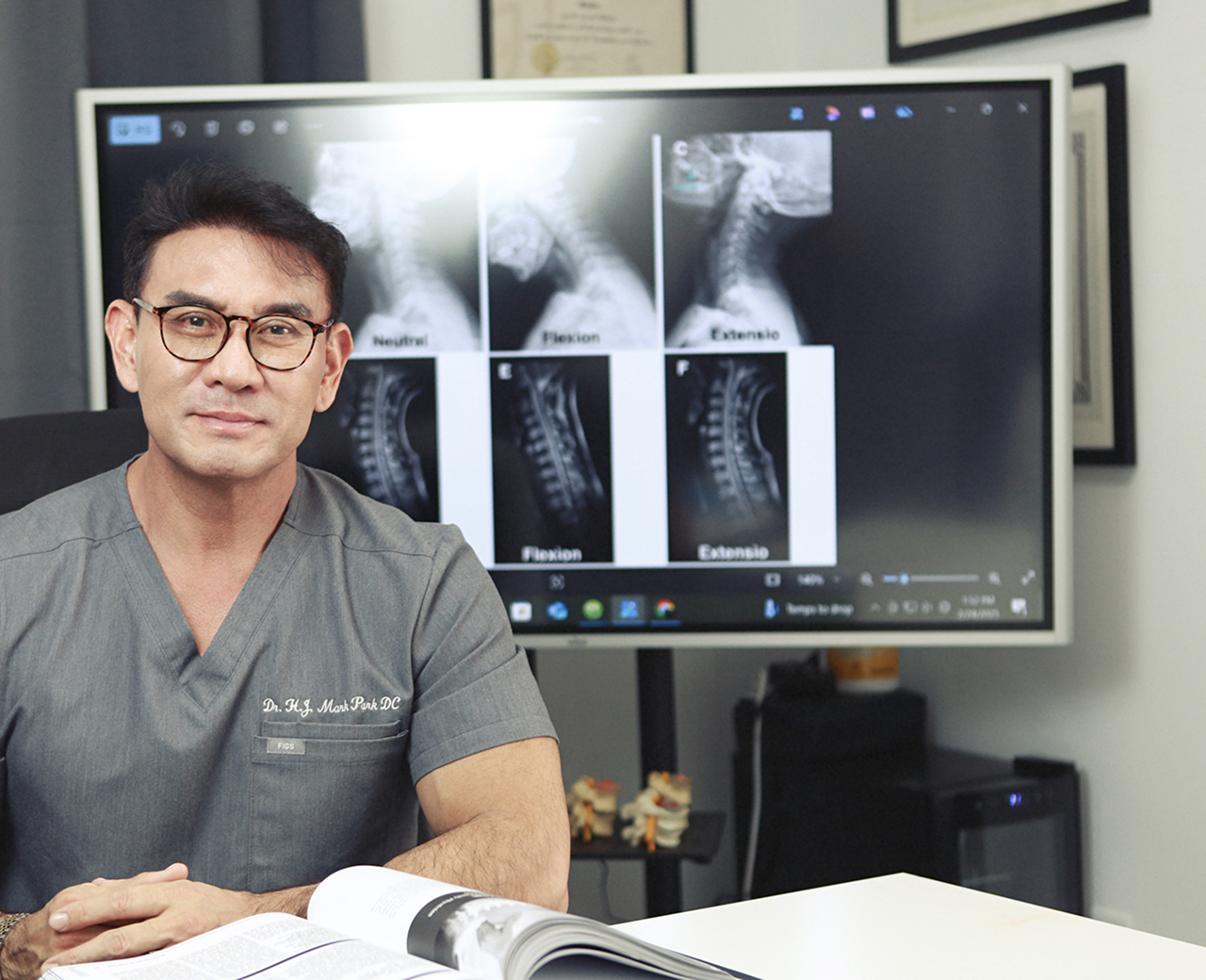
At Advanced Injury & DISC Center, our doctors provide Non-Surgical Spinal Decompression, a conservative approach to disc restoration, maintenance, and support. Utilizing our exclusive TDC Therapy, available only at Advanced Injury & DISC Center, we offer a non-invasive solution to back pain without the need for surgery.
With the rising prevalence and cost of back pain, finding an effective, non-surgical solution is more important than ever.
Advanced Injury & DISC Center is committed to providing innovative,
non-invasive treatments to help patients find relief and restore their spinal health naturally.

2nd

about 19 M

about 6,096 $
Spinal Decompression utilizing the DRX-9000 decompression suite,
is a non-surgical and drug-free answer for disc related syndromes of the lumbar or cervical spine.
Many people across America have found pain relief from degenerative joint disease, herniated discs, facet syndrome,
bulging discs, pinched nerves and other back and spinal afflictions.
Spinal Disc Decompression uses computer-aided technology to apply gentle,
a non-surgical decompressive force to your spine, increasing circulation into the spinal discs and joints,
thus helping to relieve the symptoms that cause pain and dysfunction.
This FDA cleared technology relieves pain by enlarging the space between the discs.
The negative pressure created by the DRX9000 releases pressure that builds on to the disc and nerves,
allowing the herniated and bulging disc to eventually go back into normal position.
Degenerative
changes, arthritis,
spinal stenosis, etc.
Spinal decompression
therapy patient
cleared technology
A slipped disc or herniated disc is different from a normal disc as it is dessicated and no longer fuctions as a proper shock absorber, causing back pain and tingling sensations down the leg or arm. The disc is a soft cartilaginous material that separates the spinal vertebra. We have Discs starting at the the third cervical all the way down to the lowest Lumbar vertebra L 5.
The Discs middle is called the nucleus and and outer layer called the annulus. These discs act as shock absorbers and these disc after we are done growing usually around 19 years old become avascular (does not receive a good blood supply).
One of the reasons that our discs give us so many problems is that it does not heal well without a good blood supply. When we break a bone it heals quickly and actually stronger than before!
Our discs are avascular so if a disc is injured it continues to degenerate and does not heal properly. One of the amazing benefits of this protocol is that it heightens the disc space, and is seen to return it to normal size and function.

①Ruptured Disc ②Slipped Disc ③Prolapse ④Herniation
①Annular bulge ②Protrusion / Herniation ③Extrusion ④Free Disc Fragment / Sequestration
The term Disc Herniation implies that a rupture or a tear of the annular fibers that occurs near the disc,
causing a movement of nucleus material past the annulus.


To prevent disc injury, the following precautions are essential

Gentle "cat-camel" exercises are effective for loosening the spine.After that, training to maintain a neutral spine is important for improving the endurance of abdominal and back muscles.
Performing repeated holds of 5-6 seconds each day has shown to produce lasting beneficial effects within approximately three months, according to research.